
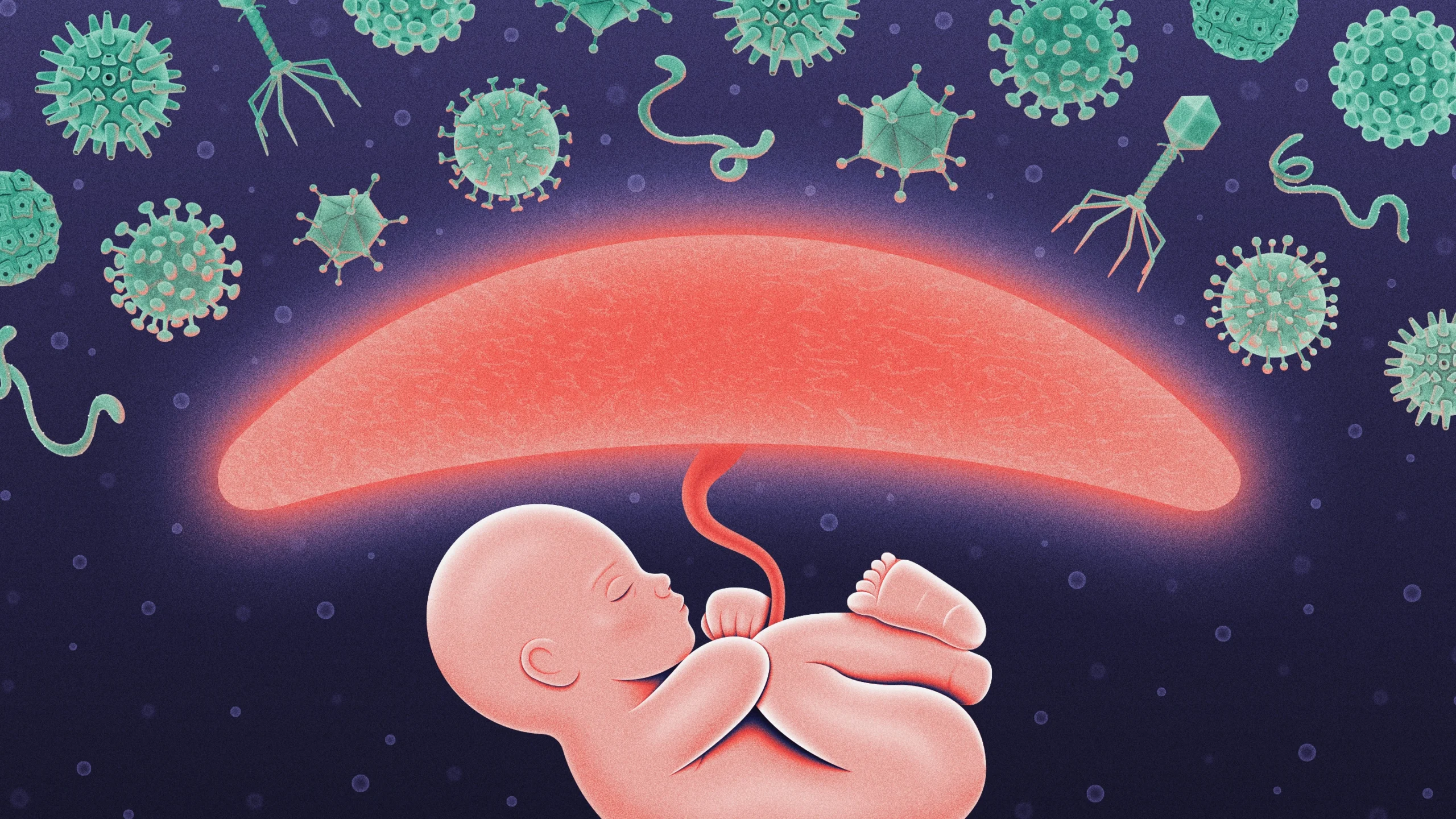
Have you ever wondered how a mother’s immune system accepts a fetus that is genetically different from her own body? Many people think pregnancy simply “happens,” yet the underlying biology is far more intricate and surprisingly elegant. According to our editor’s research, medical professionals often describe pregnancy as a remarkable negotiation between protection and tolerance. The mother must guard herself from infections while avoiding an immune attack against the fetus. This balance is so fine that even minor disruptions can influence how pregnancy unfolds. Understanding this delicate harmony can help expectant mothers appreciate what actually happens beyond the visible stages of pregnancy.
Why does the maternal immune system change so much?
The maternal immune system changes because pregnancy introduces new biological demands that require careful adaptation. The fetus carries paternal genes, which technically makes it a semi-foreign presence inside the body. As a result of our editor’s reviews, many immunology experts explain that the body reduces certain aggressive immune responses to protect the fetus. These adjustments do not weaken the entire system but redirect its energy toward safer pathways. The immune shift helps maintain healthy tissue development in the uterus, where communication between maternal cells and fetal cells must remain stable. These changes ensure the mother remains protected without triggering unnecessary immune conflicts.
How does the body recognize the fetus without rejecting it?
The body recognizes the fetus through a controlled system of immune tolerance that prevents harmful reactions. Fetal cells communicate with maternal immune cells using subtle molecular signals that reduce defensive responses. According to our editor’s research, specialized placental cells shield the fetus by limiting exposure to immune pathways that could spark rejection. The immune system then adjusts its usual vigilance to support this unique coexistence. This process resembles a temporary agreement in which the body selectively reduces certain reactions while preserving general protection. This careful arrangement allows the fetus to grow peacefully within the mother’s body.
What changes occur in innate immunity during pregnancy?
Innate immunity, the body’s first line of defense, becomes more strategic during pregnancy. The body strengthens barriers against common infections while reducing inflammatory reactions that might disturb fetal development. As a result of our editor’s reviews, many specialists highlight that innate immune cells become more regulated to prevent excessive responses. These cells continue protecting the mother from bacteria and viruses but avoid triggering inflammation inside the uterus. This shift helps stabilize the environment where the fetus develops delicate tissues. The innate system therefore becomes more focused and less reactive, prioritizing protective actions over aggressive ones.
How does adaptive immunity adjust throughout pregnancy?
Adaptive immunity shifts its priorities to maintain harmony between mother and fetus. Antibody production remains active, helping the mother defend against infections without overwhelming the fetal environment. According to our editor’s research, certain immune cells known for strong reactions decrease their activity to avoid unintended fetal harm. Other cells become more precise, responding only to genuine threats rather than reacting broadly. These adjustments ensure that the immune system supports long term protection without creating instability. This balanced behavior shows how pregnancy encourages cooperation rather than conflict within the immune network.
Why are some infections more severe during pregnancy?
Some infections become more severe because the immune system temporarily lowers certain responses to protect the fetus. These changes do not eliminate defense but modify how the body reacts to different pathogens. As a result of our editor’s reviews, experts note that illnesses like influenza can progress more quickly in pregnant individuals. This happens because the immune system prioritizes tolerance over strong inflammation. When faced with aggressive viruses, the body sometimes needs additional support through medical care. Recognizing these risks helps pregnant individuals seek timely protection and preventive measures to reduce complications.
What role does the placenta play in immune balance?
The placenta plays a central role by acting as both a shield and a communication hub. It separates maternal and fetal blood while allowing essential nutrients to pass through safely. According to our editor’s research, placental cells release signaling molecules that guide immune behavior during pregnancy. These signals help suppress unnecessary reactions while maintaining enough defense to prevent infections. The placenta also acts as a filter, preventing many harmful substances from reaching the fetus. This multi-layered function supports the delicate immune adjustments needed for healthy development.
How do hormonal changes affect immune responses?
Hormonal shifts have a strong influence on how the immune system works during pregnancy. Rising levels of hormones like progesterone help reduce unnecessary inflammatory responses. As a result of our editor’s reviews, many researchers report that these hormonal patterns encourage immune tolerance toward the fetus. Hormones stabilize the uterine environment by calming immune cells that might otherwise react aggressively. They also support blood flow and tissue growth, allowing the fetus to receive consistent nourishment. This close interaction between hormones and immune cells helps sustain a balanced protective system throughout pregnancy.
Why do autoimmune conditions behave differently during pregnancy?
Autoimmune conditions often shift in surprising ways because pregnancy changes the immune system’s internal rhythm. Some autoimmune diseases improve as the body reduces overactive responses, while others may worsen due to hormonal adjustments. According to our editor’s research, diseases like rheumatoid arthritis often show noticeable relief during pregnancy. Other conditions, however, may flare because the immune environment becomes unpredictable. Doctors therefore monitor autoimmune conditions closely to maintain stability. Understanding these patterns helps individuals prepare for changes and communicate their concerns more clearly during prenatal care.
How does the immune system return to normal after childbirth?
After childbirth, the immune system gradually reverts to its non-pregnant state. Hormone levels decrease, and immune cells regain their usual strength and reactivity. As a result of our editor’s reviews, postpartum immune shifts can create temporary vulnerabilities that require attention. This period may also trigger autoimmune flare-ups because the immune system becomes more active again. The body typically regains balance within several weeks, though timelines vary from one person to another. Recognizing this transition can help new mothers manage their health more confidently.
How does immunology shape pregnancy outcomes?
Immunology shapes outcomes by influencing implantation, fetal development, and overall stability. A well-regulated immune system supports a safe environment for the fetus to grow. According to our editor’s research, disruptions in immune balance may contribute to complications such as preeclampsia. Maintaining equilibrium helps reduce stress on the mother’s body and improves overall pregnancy experiences. This balance also supports long term health for both the parent and the child. Understanding these immune interactions encourages earlier engagement with healthcare providers during pregnancy.