
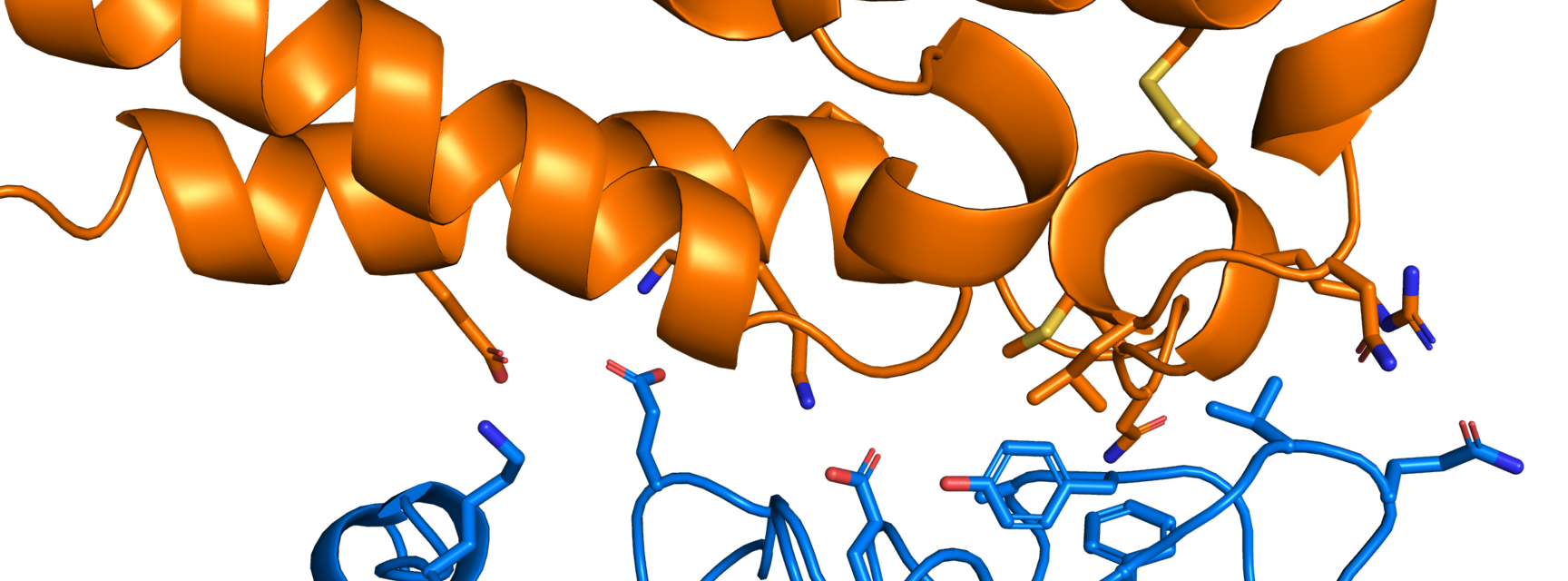
Molecular mimicry is one of those scientific ideas that sounds complex at first but becomes surprisingly relatable when people hear real examples from daily life. The idea centers on how the immune system sometimes misidentifies a harmless structure because it looks similar to something dangerous. According to our editor’s research, this confusion plays a role in several health conditions, yet most people never hear about it unless a doctor explains it during an appointment. Many patients feel reassured when they learn that their symptoms are not random but connected to a known biological pattern. This understanding also reduces the fear that something unusual or mysterious is happening in their body. The concept highlights how impressive the immune system is, even when it occasionally overreacts in unintended ways.
What does molecular mimicry mean?
Molecular mimicry refers to a situation where two different substances share similar structural patterns that the immune system struggles to distinguish. The immune system relies on patterns, not context, which means it does not always know whether a similar-looking structure is friend or foe. As a result of our editor’s reviews, this confusion can occur after infections, vaccinations, environmental exposures, or even contact with certain chemicals. When the immune system launches a response, it may accidentally target the wrong tissue if that tissue resembles the original trigger. This similarity does not mean something is fundamentally wrong with the immune system. Instead, it shows how finely tuned and responsive the system is. Understanding this concept helps people see their symptoms in a broader biological context.
Why does the immune system get confused?
The immune system works like a pattern-recognition expert, constantly scanning for similarities that might identify threats. It does not rely on detailed analysis but instead acts quickly to protect the body. According to our editor’s research, the immune system must respond fast because delays can allow infections to spread. Speed matters, yet speed sometimes leads to confusion. When two structures share overlapping features, the immune system might assume they are identical. The intention is always protective, even when the outcome turns problematic. People often think the immune system makes mistakes, but in reality, it is responding based on the information available. The issue arises when the resemblance between two molecules is too close to ignore.
How does mimicry begin after an infection?
Many cases of molecular mimicry start after the body fights an infection. The immune system identifies markers on bacteria or viruses and builds antibodies to eliminate them. As a result of our editor’s reviews, problems occur when parts of those pathogens resemble portions of human tissue. The immune system may continue responding even after the infection disappears because it now recognizes a pattern that also exists elsewhere in the body. This unintended targeting can lead to inflammation or discomfort that seems unrelated to the original illness. Patients sometimes feel confused when symptoms develop after they thought the infection was gone. Doctors often explain that the immune system is still reacting, even though the trigger has already passed.
Why does molecular similarity matter for health?
Molecular similarity matters because the immune system reacts to shapes, not intentions. Two substances may share similar curves, chains, or structural patterns, even if their roles in the body are completely different. According to our editor’s research, this similarity is usually harmless but occasionally sparks unnecessary inflammation. People may experience mild symptoms such as fatigue or joint stiffness when the immune system stays active longer than needed. These reactions are not signs of chronic failure but small misinterpretations by the body’s defense system. Understanding this helps people see why physicians sometimes look for recent infections when investigating new symptoms. The timeline often reveals important clues.
What conditions are associated with molecular mimicry?
Molecular mimicry has been linked to several immune-related conditions because the body occasionally misinterprets its own tissues. As a result of our editor’s reviews, this link appears across different medical fields, from neurology to rheumatology. While details vary, the underlying idea remains the same: the immune system reacts to a shape that resembles a past invader. This does not mean every immune condition stems from mimicry or that mimicry is always harmful. It simply highlights a known mechanism that explains why some reactions develop when they do. People sometimes find comfort in understanding that there is a scientific explanation for their symptoms, even if the exact trigger cannot always be identified.
How do researchers study mimicry without oversimplifying the immune system?
Researchers study molecular mimicry by examining structural patterns, antibody behavior, and how immune cells respond when exposed to different substances. According to our editor’s research, many laboratories use visual mapping techniques to identify overlapping shapes between pathogens and human tissues. These studies help medical teams understand which similarities are harmless and which ones may cause immune reactions. Scientists avoid oversimplifying the immune system because each person’s immune response relies on genetics, environment, and exposure history. Research continues to evolve as new tools appear, allowing teams to analyze subtle differences with greater precision. This ongoing work provides insight without jumping to incomplete conclusions.
Why is this concept important for everyday patients?
Molecular mimicry matters for everyday patients because it explains why some symptoms appear unexpectedly or linger beyond an infection. As a result of our editor’s reviews, patients often feel worried when symptoms seem unpredictable or unrelated. Learning about mimicry can ease that stress by showing that these reactions come from normal immune behavior. It helps people understand that their body is not failing but simply reacting to a similarity it could not ignore. This knowledge also encourages better communication with healthcare providers. Patients often feel empowered when they understand the reasoning behind tests or monitoring strategies.
What practical steps help manage symptoms linked to mimicry?
Managing symptoms related to mimicry usually involves gentle steps that reduce inflammation and support healing. Doctors may recommend rest, hydration, or targeted care depending on the body system involved. According to our editor’s research, symptom relief often focuses on reducing irritation and allowing the immune system to settle. Lifestyle choices such as balanced nutrition, stress management, and adequate sleep can also help reduce inflammation. These steps are not cures for the underlying pattern recognition issue, but they support overall well-being while the body recalibrates. Patients often report improvement after adopting consistent routines that protect sensitive tissues.
How does emotional understanding support healing?
Emotional understanding plays a meaningful role because patients often feel confused or concerned when facing unfamiliar symptoms. As a result of our editor’s reviews, reassurance can significantly reduce stress, which in turn benefits immune balance. People who understand the concept of mimicry feel more confident discussing symptoms with healthcare providers. They become more patient with the healing process and less likely to fear that something serious has been missed. Emotional clarity helps patients remain grounded during periods of uncertainty, allowing them to focus on practical steps rather than worst-case scenarios.